From the iconic monsters of classic horror films to the fantastical beings populating today’s blockbuster franchises, creature design remains one of the most captivating specialties in the entertainment industry. For aspiring artists dreaming of bringing otherworldly characters to life, understanding the journey from initial concept to final application is essential. This transformative process showcases the incredible skill and creativity of the prosthetic makeup artist, who serves as both sculptor and storyteller.
The Foundation: Concept and Design
Every memorable creature begins with an idea. The design phase is where imagination meets purpose, as artists collaborate with directors, writers, and production teams to ensure their creations serve the story. A prosthetic makeup artist doesn’t simply design what looks cool—they consider how the character moves, emotes, and interacts within its world. This stage involves extensive research into anatomy, animal behaviours, and even cultural mythology to create something that feels authentic, even when entirely fantastical.
Concept sketches and digital illustrations help stakeholders visualize the creature before any physical work begins. This collaborative approach ensures everyone shares the same vision before investing time and resources into production. As veteran artists emphasize, finding the balance between aesthetic appeal and narrative function is crucial, particularly in genres where creatures need to maintain a sense of believability alongside their otherworldly qualities.
Sculpting the Vision: From Maquette to Full-Scale Model
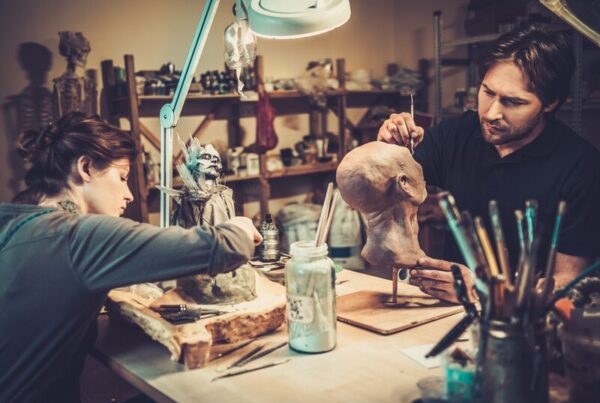
Once the design is approved, the prosthetic makeup artist moves into the three-dimensional realm. The process typically begins with creating a maquette—a small-scale model that allows artists to test proportions and details before committing to full size. This miniature serves as a blueprint for the final piece.
Building a proper armature, or internal framework, is the next critical step. This skeleton supports the soft sculpting materials and ensures the creature maintains its intended form throughout the creation process. Artists then develop block forms to establish basic shapes and proportions before adding intricate details. Every wrinkle, scale, texture, and anatomical feature is carefully sculpted in clay, transforming flat drawings into tangible, dimensional beings.
The Technical Magic: Moulding and Casting
After perfecting the sculpture, the prosthetic makeup artist faces one of the most technically demanding phases: creating moulds. This process begins with lifecasting—making detailed moulds of the actor’s face, head, or body parts using prosthetic alginate or platinum silicone rubber. These moulds capture every nuance of the performer’s features, ensuring the prosthetic fits perfectly and allows natural movement and expression.
The positive cast is then prepared with keys and borders to ensure precise alignment when creating the negative mould. The sculpted creature components are moulded in multiple parts, creating a cavity between the positive and negative moulds. This void is where the magic happens—filled with materials like foam latex, silicone, or gelatin, depending on the desired effect. Each material has unique properties that affect flexibility, durability, and its response to lighting conditions.
Bringing Creatures to Life: Application and Detailing
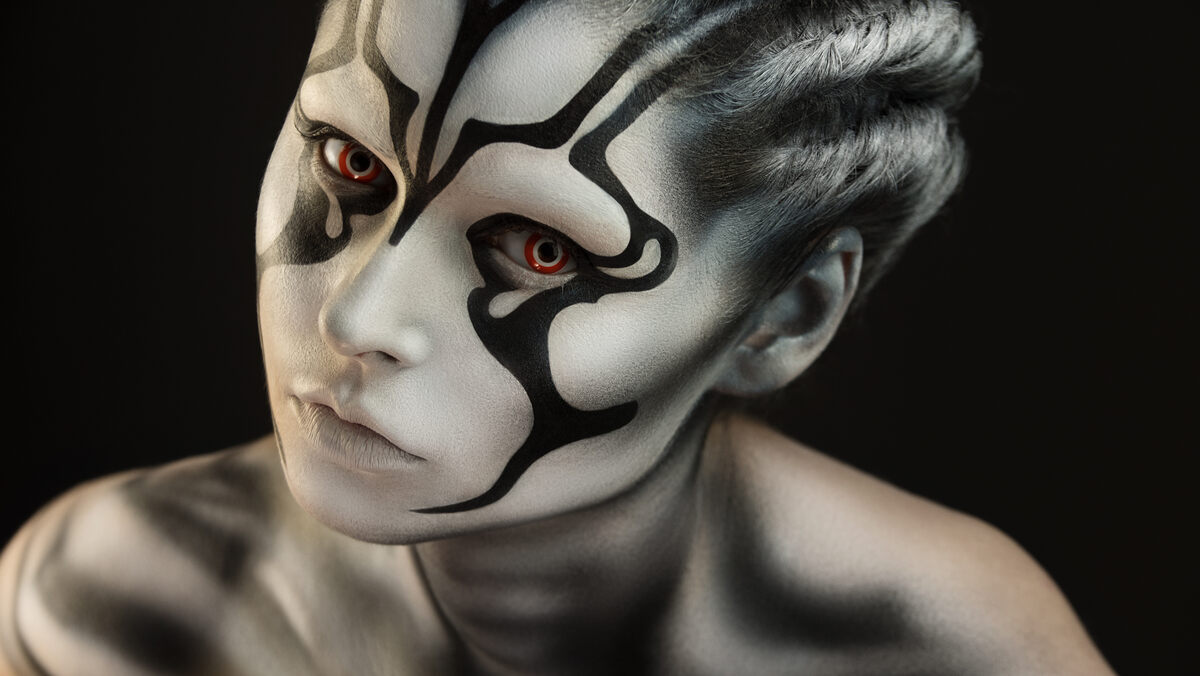
With prosthetic pieces cast and cured, the prosthetic makeup artist shifts focus to the finishing touches that transform silicone and foam into living, breathing characters. Painting involves specialized pigments that work with each material’s surface, adding depth through colour variation, shadowing, and highlights. Artists might incorporate hair punching, flocking for fur textures, or hand-laid hair to achieve realistic or fantastical effects.
Application day is where everything comes together. Using medical-grade adhesives, the prosthetic is carefully adhered to the actor’s skin. The real artistry lies in seamlessly blending edges with makeup, making the prosthetic indistinguishable from natural skin. This process can take hours, requiring patience, precision, and an intimate understanding of how makeup behaves under hot set lights and throughout long shooting days.
The Future of Creature Design
While digital effects have transformed the entertainment landscape, practical prosthetics remain irreplaceable. Major productions continue to rely heavily on prosthetic makeup artists because physical effects offer something CGI cannot fully replicate: tangible presence. Actors can interact with practical makeup in ways that green screen work cannot match, and the authenticity resonates with audiences.
Modern creature design increasingly blends practical and digital techniques, with prosthetics serving as the foundation on which digital effects are built. This hybrid approach allows artists to create creatures with unprecedented realism and complexity, pushing the boundaries of what’s possible in visual storytelling.
For those inspired to pursue this career, programs like CMU College of Makeup Art & Design’s Creature Design Certificate Course offer comprehensive training in every stage of the process. From foundational sculpting techniques to advanced application methods, structured education provides the skills needed to compete in this demanding field. Whether your passion lies in creating terrifying monsters, whimsical fantasy beings, or hyper-realistic character transformations, the art of creature design offers limitless creative possibilities for dedicated artists willing to master both the technical and artistic demands of this extraordinary craft.