The world of film, television, and theatre relies heavily on the artistry of makeup professionals who can transform actors into creatures, age them decades, or create realistic injuries. Two key techniques dominate this creative field: special effects makeup and prosthetic makeup. While these terms are often used interchangeably, understanding their differences is essential for aspiring artists considering a career as a prosthetic makeup artist or special effects specialist.
Understanding Special FX Makeup
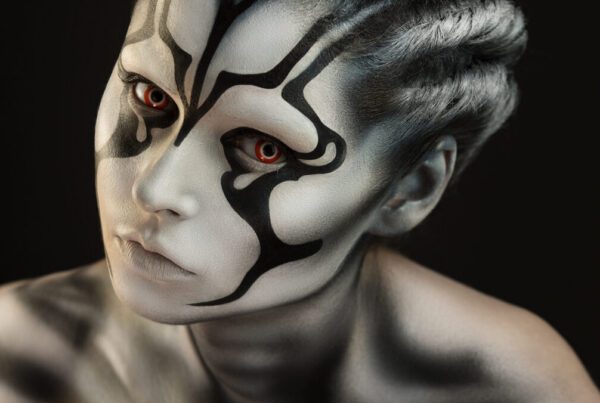
Special effects makeup, commonly known as SFX makeup, encompasses any cosmetic technique that creates non-traditional or illusory effects. This broad category includes old-age makeup, creature transformations, fantasy characters, and realistic injuries. The primary characteristic of SFX makeup is that effects are typically applied directly to an actor’s skin using materials such as liquid latex, gelatin, silicone, and theatrical paints.
Artists working in special effects create their magic through layering techniques, careful colour application, and strategic use of materials to simulate everything from bruises and burns to zombie decay and supernatural transformations. Popular examples include the dramatic effects of injury seen in medical dramas and the battle wounds portrayed in epic fantasy series. These effects require exceptional creativity, a strong understanding of anatomy and colour theory, and the ability to work quickly, as many SFX applications can be completed on the day of shooting.
The Art of Prosthetic Makeup
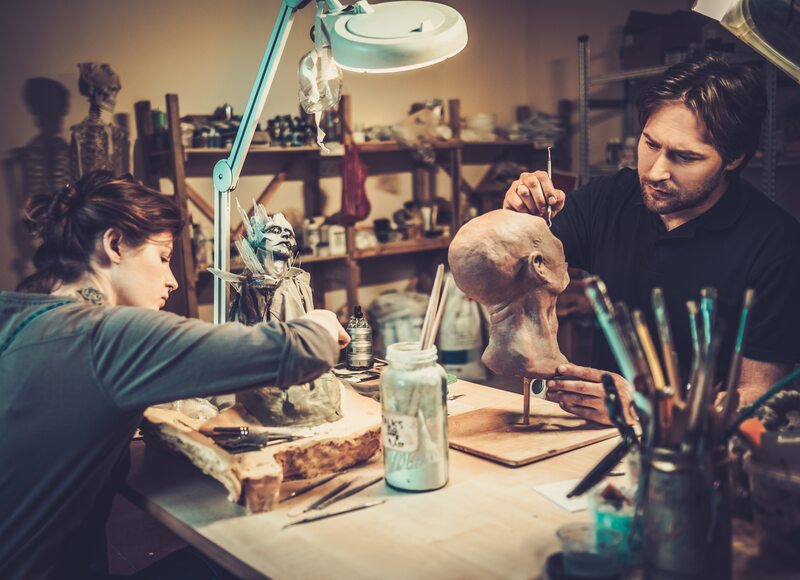
Prosthetic makeup represents a more specialized subset of special effects work. This technique involves creating pre-sculpted, moulded pieces that are applied to an actor’s body to dramatically alter their appearance. A prosthetic makeup artist works with materials such as foam latex, silicone, and gelatin to craft custom appliances that can transform facial features, create non-human characteristics, or build entire creature designs.
The prosthetic process begins with lifecasting, in which a mould is made of the actor’s face or body part. Artists then sculpt the desired look over this cast before creating a mould from which the final prosthetic piece is produced. These appliances are carefully painted and detailed before being adhered to the actor’s skin with special adhesives, with seams meticulously blended for seamless integration.
Famous examples of prosthetic mastery include the iconic burned look of Freddy Krueger in “A Nightmare on Elm Street” and the transformative aging makeup seen in countless films in which young actors portray elderly characters. These applications often require several hours to apply and demand precision, patience, and deep technical knowledge.
Key Differences Between the Techniques
The fundamental distinction lies in their application methods and scope. SFX makeup focuses on direct skin application for quick, temporary effects, ideal for short scenes or projects with tight timelines. It offers flexibility and faster application, making it perfect for theatrical productions, independent films, or television episodes that require dramatic yet time-efficient transformations.
Prosthetic makeup, conversely, involves creating physical appliances that are manufactured separately and then applied. This technique is suited for high-end, long-lasting transformations where character realism is paramount. Major motion pictures, fantasy series, and superhero films typically rely on prosthetics for their detailed, durable character designs. While more time-intensive to create and apply, prosthetics offer unmatched realism and consistency across multiple shooting days.
Materials and Skills Required
Both disciplines require skin-safe materials, but their toolkits differ significantly. SFX artists primarily work with liquid latex, gelatin, foam latex, theatrical makeup, and materials that can be quickly applied and manipulated. Prosthetic makeup artists need expertise in sculpting clay, mould-making materials, foam latex, silicone, and specialized adhesives. They must also master lifecasting techniques and understand the complex process of creating durable, reusable appliances.
Beyond technical skills, both paths demand artistic vision, attention to detail, and strong interpersonal abilities. Since applications can take hours, maintaining actor comfort and professionalism throughout the process is essential. Understanding anatomy, colour theory, and the demands of high-definition cameras has become increasingly important as technology advances.
Career Opportunities and Industry Demand
The entertainment industry’s evolution has created unprecedented opportunities for skilled makeup artists. With the surge in high-definition streaming content, immersive theatre experiences, and big-budget productions, talented professionals who master both SFX and prosthetic techniques find themselves highly employable. Many prosthetic makeup artists have contributed to blockbuster films for Disney, Marvel Studios, and Warner Bros, while others specialize in theatre, themed entertainment, or television production.
The most versatile artists develop proficiency in both areas, allowing them to tackle diverse projects and adapt to varying production needs. One day might require creating subtle aging effects through direct makeup application, while the next demands fitting complex prosthetic appliances for a creature transformation.
Training for Success
Aspiring artists should seek comprehensive training programs that cover both special effects and prosthetic makeup techniques. Quality education includes hands-on experience with sculpting, mould-making, material application, and the artistic fundamentals necessary for creating believable transformations. At CMU College of Makeup Art and Design, students can develop these specialized skills through expert instruction and practical application, preparing them for successful careers in this dynamic field.
Whether your passion lies in creating quick, dramatic effects or engineering elaborate prosthetic transformations, understanding both techniques provides the foundation for a rewarding career bringing imagination to life on screen and stage. The key is recognizing which approach best serves each project while continually honing your craft through practice, education, and creative exploration.